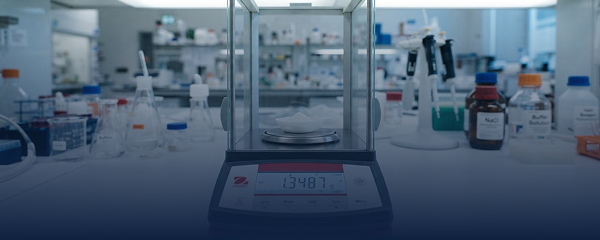
Most labs calibrate pipettes every 6 to 12 months. Pipettes used heavily, used for critical or regulated work, or handled by many people are often calibrated every 3 months. There is no single required interval for every lab. The pipette standard, ISO 8655, describes how to test pipettes but leaves the frequency to you, so the right schedule depends on how you use each pipette and how much error your work can tolerate.
Why pipette calibration matters
A pipette is one of the most-used instruments in any lab, and one of the easiest to overlook. Seals wear, pistons get contaminated, and drops happen. A pipette can drift out of tolerance without any visible sign, and every result that depends on it drifts too.
Regular calibration:
- Confirms each pipette dispenses the volume it claims, accurately and repeatably
- Catches worn or damaged parts before they affect your data
- Gives you documented records for audits, customers, and quality systems
- Reduces repeat experiments and failed runs
Recommended pipette calibration intervals
Use these as a starting point, then adjust based on your own data.
| How the pipette is used | Typical calibration interval |
|---|---|
| Light or occasional use, non-critical work | Every 12 months |
| Regular daily use | Every 6 months |
| Heavy use, many users, or critical and regulated work | Every 3 months |
| Dropped, damaged, repaired, or failed a check | Right away, before returning to use |
Your quality system, customer requirements, or regulators may set stricter intervals. When they do, those requirements come first.
What affects how often your pipettes need calibration?
How often they are used
More pipetting cycles mean more wear on seals and pistons. A pipette used all day by several people will drift faster than one used a few times a week.
What liquids you pipette
Volatile solvents, viscous liquids, acids, and other corrosive samples are harder on pipettes than water-based buffers. They can also leave residue that affects accuracy.
How much error your work can tolerate
Small volumes and sensitive assays leave less room for error. If a small volume error would change your result, calibrate more often.
Your calibration history
If a pipette has passed several calibrations in a row with plenty of margin, you may be able to keep or extend its interval. If it fails or is close to its limits, shorten the interval.
Who handles it
Shared pipettes in teaching labs, core facilities, or busy production areas usually need closer attention than a pipette assigned to one experienced user.
Signs a pipette needs calibration now
Don’t wait for the next scheduled date if you notice:
- The pipette was dropped or knocked over
- Liquid leaks or drips from the tip
- The plunger feels sticky, rough, or inconsistent
- Results are drifting or replicates don’t agree
- Visible damage to the shaft, tip cone, or volume display
- It was just serviced or had seals or parts replaced
- It failed an in-house performance check
What happens during pipette calibration?
Most pipette calibration uses the gravimetric method. A technician dispenses water onto a precision analytical balance and records the weight. Because water’s density at a given temperature is known, each weight can be converted into a volume.
A typical calibration:
- Tests several volume settings, usually the nominal (maximum) volume, 50 percent of nominal, and 10 percent of nominal or the lowest volume in the range, following ISO 8655
- Repeats measurements at each setting to check accuracy (how close to the target) and precision (how consistent)
- Tests every channel on multichannel pipettes
- Compares results to the allowed error limits
- Records “as found” and, if adjustments are made, “as left” results
Because the balance does the measuring, it needs to be calibrated too. A pipette calibration is only as good as the balance and weights behind it.
What to do between calibrations
Calibration is a checkpoint, not a substitute for daily care. Between calibrations:
- Inspect pipettes for damage and leaks before use
- Clean pipettes according to the manufacturer’s instructions, especially after corrosive or biological samples
- Store pipettes upright in a stand, never lying on the bench with liquid in the tip
- Use the right tips for each pipette model so they seal properly
- Run a quick in-house gravimetric check on critical pipettes on a regular schedule
- Keep a simple log of each pipette’s serial number, location, calibration dates, and results
How to build a pipette calibration schedule
- Inventory every pipette and give each one an ID.
- Sort them into risk tiers based on use, volume, and how critical the work is.
- Assign an interval to each tier using the table above as a starting point.
- Track due dates and results in one place.
- Review the data once a year and adjust intervals based on what you see.
On-site pipette calibration in the Twin Cities
Sending pipettes out means going without them. Forward Biotechnologies calibrates single- and multi-channel pipettes from its South St. Paul lab and offers select calibration services on-site, so Twin Cities and Minnesota labs can keep downtime short. The same team calibrates balances, scales, and weights, and pipettes are also available to rent if you need extra coverage while your own are being serviced.
Call or email with your equipment list and location to see what can be scheduled on-site, or request a quote to get your pipettes on a calibration schedule.
Frequently asked questions
Does ISO 8655 require a specific calibration interval?
No. ISO 8655 describes how pipettes should be tested and the error limits they should meet. It does not set a required calibration frequency. That is up to your lab’s quality system and risk assessment.
Can I calibrate pipettes in-house?
You can run performance checks in-house with a calibrated analytical balance. Many labs use those checks between calibrations and rely on a calibration provider for the formal calibration and documentation.
Should new pipettes be calibrated?
New pipettes usually ship with a manufacturer’s certificate. Many labs still verify new pipettes before use and add them to the regular calibration schedule from day one.
How long does pipette calibration take?
It depends on how many pipettes you have and whether the work is done on-site or in the lab. Ask for a turnaround estimate when you schedule.
What is the difference between pipette calibration and pipette verification?
Verification checks whether a pipette is performing within limits. Calibration measures its performance against a reference and, when needed, includes adjustment and documented as-found and as-left results.