Bioburden testing measures how many viable microorganisms (bacteria and fungi) live on or in a product, component, raw material, or package before it is sterilized. The result is reported as colony forming units (CFU) per item or per sample. For medical device and pharmaceutical manufacturers, that number is the starting point for designing, validating, and monitoring a sterilization process.
If you are bringing a device to market, changing a supplier, or setting up routine quality checks, here is what bioburden testing is, how it works, and how to get useful results the first time.
What does bioburden testing measure?
Bioburden is the total population of living microorganisms on a product at a given point in manufacturing, usually right before sterilization. A bioburden test answers three questions:
- How many organisms are present (the count, in CFU)
- What kind of organisms they are (aerobic bacteria, fungi, and sometimes spore formers or specific organisms)
- Whether that number is stable from lot to lot over time
It is not the same as sterility testing. Bioburden testing counts what is on a product before sterilization. Sterility testing checks whether anything can still grow after sterilization.
Why does bioburden testing matter?
A sterilization process is only as reliable as what you know about the product going into it. Bioburden data is used to:
- Set or verify a sterilization dose or cycle. Radiation dose-setting methods, for example, are built on the product’s measured bioburden.
- Validate a sterilization process for a new product or a new product family.
- Catch changes early. A rising count can point to a problem with a supplier, a cleaning step, packaging, or the production environment before it becomes a failed lot.
- Support regulatory submissions and audits with documented, trended data.
For medical devices, bioburden determination is described in ISO 11737-1. For nonsterile pharmaceutical products, microbial enumeration is covered by USP <61>, and tests for specified microorganisms by USP <62>. Your quality team or regulatory consultant will tell you which applies to your product.
How does bioburden testing work?
Most bioburden tests follow the same basic steps.
1. Sample selection
Samples should represent normal production. That usually means units pulled from routine manufacturing, in the condition they would be sterilized, often across more than one lot.
2. Extraction
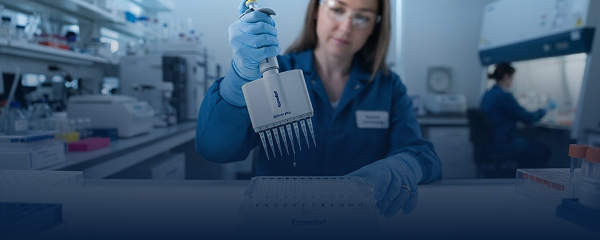
Microorganisms have to be removed from the product so they can be counted. Common extraction methods include rinsing, shaking, vortexing, sonication, and stomaching the sample in a sterile fluid. The method depends on the product’s size, shape, and material.
3. Plating and incubation
The extract is plated using membrane filtration, pour plate, or spread plate methods. Plates are incubated under conditions that support aerobic bacteria and fungi, and then the colonies are counted.
4. Correction for recovery
No extraction method removes every organism. A validated bioburden method includes a recovery efficiency study, which produces a correction factor so the reported count reflects what is actually on the product.
5. Reporting and trending
Results are reported in CFU per unit. Over time, the data becomes a trend line that helps you set alert and action levels for routine monitoring.
When do you need bioburden testing?
Common triggers include:
- Developing a new device or product that will be sterilized
- Validating or revalidating a sterilization process
- Changing materials, suppliers, manufacturing sites, or cleaning steps
- Routine monitoring as part of a sterilization program (many radiation-sterilized products are checked on a quarterly schedule)
- Investigating an unexpected result or a sterility failure
If you are an early-stage company, a single round of testing can give you a baseline before you commit to a sterilization method or a contract sterilizer.
How should you prepare samples for bioburden testing?
Good samples make for meaningful results. Before you ship:
- Send units in the same state they would be in right before sterilization, in their final packaging when possible.
- Do not sterilize, wipe down, or repackage samples unless that is part of your normal process.
- Include enough units for the test plan, plus a few spares.
- Note the product’s materials, dimensions, lot numbers, and manufacturing date.
- Ship promptly and keep a simple chain-of-custody record.
If you are not sure how many units to send or which extraction method fits your product, ask before you ship. Scoping the method up front saves a second round of testing.
Bioburden testing in Minnesota
Minnesota is home to one of the largest concentrations of medical device companies in the country, and many teams around the Twin Cities need a nearby lab for routine and development testing. Forward Biotechnologies runs bioburden testing from its lab in South St. Paul, alongside endotoxin testing, gas chromatography, and other analytical and physical testing. That makes it easier to keep related tests with one partner instead of splitting samples across several labs.
Not sure which tests your product needs? Send your product details through the Test Request Form or request a quote, and the team will help you scope the right method.
Frequently asked questions
What is a normal bioburden level?
There is no single “normal” number. Acceptable bioburden depends on the product, the sterilization method, and the limits set during validation. What matters most is that your counts are consistent and stay within the alert and action levels you have established.
Is bioburden testing the same as sterility testing?
No. Bioburden testing counts the microorganisms on a product before sterilization. Sterility testing checks whether any viable organisms remain after sterilization.
How long does bioburden testing take?
Incubation alone usually takes several days, and method validation work takes longer than a routine count. Ask your lab for a turnaround estimate based on your test plan.
Does bioburden testing detect endotoxins?
No. Bioburden testing counts living organisms. Endotoxins are fragments of bacterial cell walls that can remain after bacteria are killed, so they need a separate test. See our guide to bioburden vs. endotoxin testing.
Do startups need bioburden testing?
If your product will be sterilized, yes. Early bioburden data helps you choose a sterilization approach, talk to contract sterilizers, and prepare for regulatory submissions.